

The last few weeks has been an eye opening experience as I engaged with many firms leadership teams in their journey in implementing Sustainability Development Goals criteria. In the journey toward achieving the Sustainable Development Goals (SDGs), effective leadership plays a crucial role. As an emerging leader, understanding and embodying the essential qualities for SDG success can significantly impact your organization’s sustainability efforts. Let’s explore some key leadership qualities that can drive your business toward achieving SDGs.

Visionary Thinking
Visionary thinking is the foundation of successful SDG leadership. As a leader, you need to envision a sustainable future and set clear, long-term goals that align with the SDGs. This requires you to think beyond the immediate business gains and focus on creating a positive impact on the environment, society, and economy. By sharing your vision, you can inspire your team and stakeholders to join you on the sustainability journey. Remember, your vision can act as a guiding star, leading your organization toward meaningful and lasting change.
Effective Communication
Communication is vital in advancing SDGs within your business. As a leader, you must articulate the importance of sustainability and how it aligns with your company’s mission and values. This involves engaging your team, stakeholders, and customers through clear and compelling messages. Use storytelling to highlight real-life examples of how sustainability initiatives have made a difference. Effective communication fosters a culture of transparency and accountability, encouraging everyone in your organization to contribute to SDG goals.
Empathy and Inclusivity
Empathy and inclusivity are essential qualities for SDG leaders. Understanding the diverse needs and perspectives of your team, customers, and the communities you serve helps in creating inclusive strategies. By fostering an environment where everyone feels valued and heard, you can drive collaborative efforts toward sustainability. Encourage diverse voices and ideas, as they can lead to innovative solutions for complex sustainability challenges. Empathy enables you to connect with others on a deeper level, making your SDG initiatives more impactful and relevant.
Resilience and Adaptability
The path to achieving SDGs is often fraught with challenges and uncertainties. As a leader, resilience and adaptability are crucial traits to navigate these obstacles. Embrace change and be open to learning from setbacks. Develop a mindset that views challenges as opportunities for growth and innovation. By staying resilient and adaptable, you can steer your organization through tough times while maintaining focus on your sustainability goals. Your ability to adapt to changing circumstances will inspire confidence and determination within your team.
Ethical Decision-Making
Ethical decision-making is at the heart of SDG leadership. As a leader, your decisions should reflect a commitment to ethical principles and sustainability. This involves considering the environmental, social, and economic impacts of your actions. Strive to make choices that benefit not only your business but also the broader community and the planet. By prioritizing ethical practices, you set a standard for integrity and responsibility, fostering trust and credibility with your stakeholders.
Collaboration and Networking
Advancing SDGs requires collaboration and networking with like-minded individuals and organizations. As a leader, actively seek partnerships and alliances that can amplify your sustainability efforts. Collaborate with industry peers, non-profits, government bodies, and academic institutions to share knowledge and resources. Building a robust network allows you to leverage collective expertise and drive larger-scale impact. Encourage your team to engage in collaborative initiatives, as working together can lead to innovative solutions and greater progress toward SDG goals.
Training Programs and Resources for Emerging Leaders
Understanding the Basics: Building a Strong Foundation
As an emerging leader, it’s essential to start with a solid foundation. Training programs that focus on the basics of leadership, such as communication, decision-making, and team management, are a great place to begin. You’ll find that mastering these skills will set you up for success in more advanced areas.
Online platforms like Coursera and edX offer a wide range of courses designed specifically for budding leaders. These courses are flexible, allowing you to learn at your own pace, which is perfect if you’re juggling a busy schedule. By investing time in these foundational courses, you’re building a strong base that will support your growth as a leader.
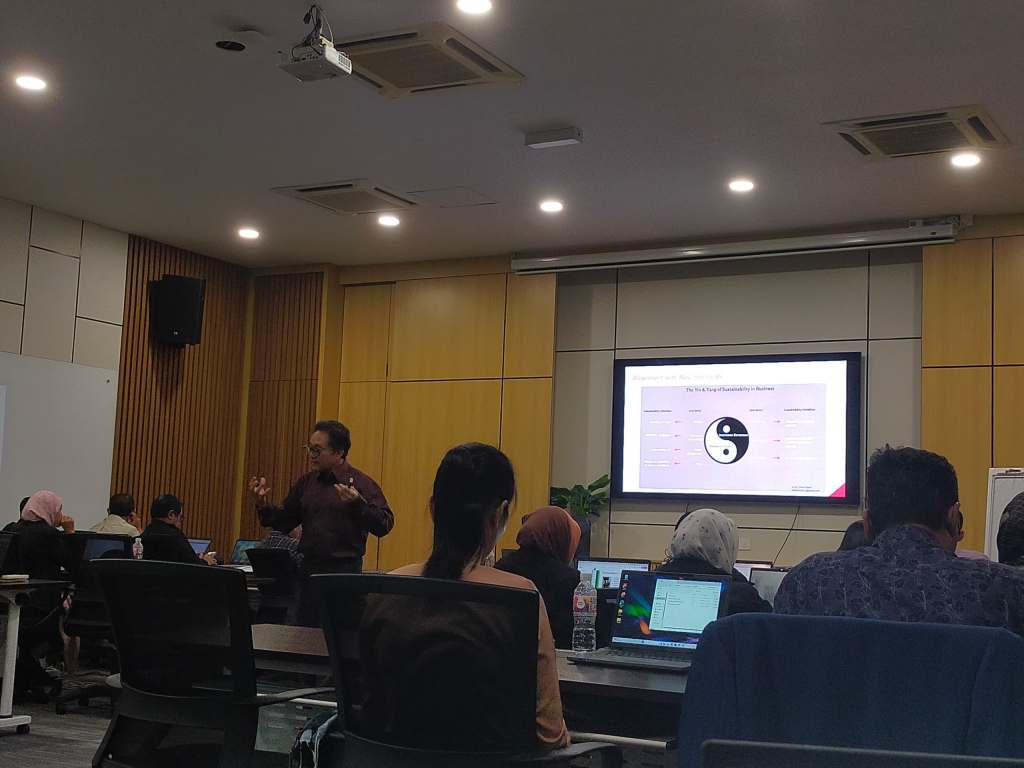
Specialized Leadership Training Programs
Once you’ve got the basics down, it’s time to dive into specialized training programs. These programs focus on specific aspects of leadership that are crucial for navigating today’s complex business environment. Whether it’s learning about sustainable development goals (SDGs), mastering change management, or enhancing your strategic thinking, specialized programs are tailored to meet your needs.
Many universities and business schools offer executive education programs that cater to emerging leaders. For instance, Harvard Business School and Stanford University have courses specifically designed to hone your leadership skills in various contexts. These programs provide you with practical insights and real-world examples, making it easier to apply what you learn to your own leadership journey.
Online Workshops and Webinars: Learning on the Go
If you prefer a more interactive learning experience, online workshops and webinars are an excellent option. These sessions allow you to engage with experts and peers in real-time, offering a dynamic way to learn. Many organizations host webinars on topics like effective leadership, innovation, and sustainability.
One of the great things about webinars is that they’re often recorded, so you can catch up on any sessions you miss. This flexibility ensures you don’t miss out on valuable content even if your schedule is tight. Plus, webinars often include Q&A sessions where you can get personalized advice and insights from industry leaders.
Mentorship and Peer Learning: Growing Together
Mentorship is a powerful tool for emerging leaders. Having a mentor means you have someone to guide you, share their experiences, and offer advice tailored to your career goals. Mentors can help you navigate challenges, celebrate your successes, and provide valuable feedback that accelerates your growth.
Peer learning is another fantastic resource. Joining leadership networks and communities allows you to connect with other emerging leaders. Platforms like LinkedIn have numerous groups dedicated to leadership development where you can share experiences, exchange ideas, and learn from each other. Engaging with your peers helps you build a support system that can be incredibly beneficial as you advance in your career.
Certification Programs: Formalizing Your Skills
If you’re looking to add a formal credential to your resume, certification programs are the way to go. Certifications like the Certified Corporate Sustainability Advocate (CCSA) provide a structured curriculum and assessment, ensuring you meet industry standards. These programs cover a range of leadership topics, from strategic planning to sustainability practices.
Having a certification not only enhances your credibility but also signals your commitment to continuous learning and professional development. Many certification programs offer flexible learning options, allowing you to complete the coursework at your own pace. Consider enrolling in a certification program to solidify your expertise and stand out in the competitive job market.
Accessing Valuable Resources: Staying Informed
Beyond formal training, having access to the right resources is crucial for your development as a leader. There are countless online resources available that provide valuable information on leadership and business practices. Websites like the Harvard Business Review, TED Talks, and the World Economic Forum offer articles, videos, and reports that can keep you informed about the latest trends and best practices.
Make it a habit to regularly visit these websites and explore their offerings. Bookmark key resources and refer to them as needed to support your leadership journey. Staying informed ensures you’re always up-to-date with new developments and can apply fresh insights to your role.
All the above is further strengthened when data is captured in a a proper structure.
Measuring Impact: Tools and Metrics for SDG Progress
Why Measuring SDG Impact Matters
Measuring the impact of your efforts toward the Sustainable Development Goals (SDGs) is crucial. You want to know if your initiatives are making a real difference. Tracking progress helps you see where you’re excelling and where there’s room for improvement. It’s like having a roadmap that shows your journey towards sustainability, ensuring you’re on the right path.
Key Metrics for Assessing SDG Progress
When it comes to measuring SDG progress, knowing which metrics to track is essential. Start by identifying key performance indicators (KPIs) that align with your goals. For example, if you’re working on SDG 13 (Climate Action), you might track your carbon footprint, energy consumption, and waste reduction.
Other important metrics include social impact measures like employee satisfaction, community engagement, and educational outcomes. Economic indicators, such as profit margins and cost savings from sustainability initiatives, are also valuable. By choosing the right metrics, you get a clear picture of your progress and can make informed decisions.
Tools for Tracking SDG Progress
There are numerous tools available to help you track your SDG progress. These tools simplify the data collection process and provide valuable insights. One such tool is the Basic Sustainability Assessment toolkit that aligns the 18 sustainability categories that are frequently used many frameworks to the SDG.
Another popular tool is the Global Reporting Initiative (GRI) Standards, which offer comprehensive guidelines for sustainability reporting. They help you track a wide range of environmental, social, and economic indicators.
Another useful tool is the United Nations Global Compact’s Communication on Progress (COP). This tool helps you align your efforts with the Ten Principles of the UN Global Compact and report your progress annually. Additionally, platforms like SDG Action Manager offer tailored insights and benchmarking, making it easier to track and improve your performance.
Using Technology for Enhanced Measurement
Embracing technology can significantly enhance your ability to measure SDG progress. Digital tools like cloud-based software and mobile apps streamline data collection and analysis. For instance, apps like Sustainabody allow employees to report sustainability efforts in real-time, making data collection more efficient.
Data analytics platforms, such as Tableau and Power BI, help visualize your progress with interactive dashboards. These tools turn complex data into easy-to-understand visuals, allowing you to quickly spot trends and areas needing attention. Leveraging technology not only improves accuracy but also saves time and resources.
Engaging Stakeholders with Transparent Reporting
Transparent reporting is vital for engaging stakeholders and building trust. You want your investors, customers, and employees to see the positive impact of your SDG initiatives. Create detailed and accessible reports that highlight your achievements and areas for improvement.
Consider using sustainability reporting frameworks like the Sustainability Accounting Standards Board (SASB) and the Task Force on Climate-related Financial Disclosures (TCFD). These frameworks provide clear guidelines on what to report, ensuring consistency and comparability. By being transparent about your progress, you foster trust and encourage stakeholder support.
Continuous Improvement through Feedback
Measuring impact isn’t a one-time task; it’s an ongoing process. Regularly review your metrics and tools to ensure they remain relevant and effective. Seek feedback from stakeholders to understand their perspectives and expectations. Their insights can help you refine your strategies and improve your performance.
Engage your team in the measurement process. Encourage them to share their observations and ideas for improvement. By fostering a culture of continuous learning and adaptation, you keep your SDG efforts dynamic and impactful.
Real-World Examples of Effective Measurement
Looking at real-world examples can provide inspiration and guidance. Companies like Unilever and Patagonia have robust SDG measurement practices in place. Unilever’s Sustainable Living Plan includes specific targets and transparent reporting, showcasing their progress across various SDGs.
Patagonia, known for its environmental activism, measures its impact through comprehensive sustainability reports. They track everything from carbon emissions to fair labor practices, providing a holistic view of their efforts. Learning from such examples can help you develop and refine your measurement practices.
Overcoming Challenges: Real-Life Leadership Stories
The Power of Perseverance
Leadership isn’t just about making big decisions; it’s about handling challenges with grace and determination. Imagine you’re steering a ship through a storm. It’s easy to feel overwhelmed, but great leaders show perseverance. Take Sarah, for instance. She started a tech startup with a mission to promote digital literacy in underprivileged communities.
‘S’ faced numerous obstacles, from securing funding to overcoming skepticism from potential partners. Despite the setbacks, she stayed focused on her vision. She built a strong team that shared her passion, and together, they navigated through the rough patches. S’s story teaches you that perseverance, coupled with a clear vision, can turn challenges into opportunities.
Innovative Problem-Solving in Action
Innovation isn’t just about creating new products; it’s also about finding creative solutions to everyday problems. Meet David,Zha a sustainability advocate who wanted to reduce plastic waste in his city. He faced resistance from existing clients that were hesitant to switch to sustainable alternatives due to cost concerns.
Instead of pushing harder, Zha took a different approach. He organized workshops to educate business owners about the long-term benefits of sustainability. He also collaborated with local artists to create eye-catching, reusable packaging that doubled as advertising. This innovative problem-solving not only reduced plastic waste but also boosted local businesses. Zha’s’s story highlights the importance of thinking outside the box to overcome challenges.
Building Resilience Through Community Support
Leadership can often feel lonely, especially when you’re facing tough times. However, building a supportive community can make a significant difference. Emily, a social entrepreneur, learned this firsthand. She launched a program to empower women in rural areas by providing them with entrepreneurial training.
Initially, Emily struggled with low participation rates and limited resources. She realized that to succeed, she needed the community’s trust and support. Emily started by listening to the women’s concerns and involving them in the decision-making process. She also partnered with local organizations to gain additional resources and credibility. Through these efforts, Emily built a resilient community that supported each other through challenges. Her story demonstrates that leadership isn’t about going it alone; it’s about fostering a sense of togetherness.
Embracing Failure as a Learning Opportunity
Failure is often seen as a setback, but great leaders view it as a valuable learning experience. John, the founder of an eco-friendly fashion brand, faced a major setback when his first product line failed to meet customer expectations. Instead of giving up, John used this failure as an opportunity to learn and improve.
He gathered feedback from customers, analyzed what went wrong, and involved his team in brainstorming solutions. John’s openness to failure and willingness to adapt led to the creation of a new product line that was well-received by the market. His story shows you that failure isn’t the end; it’s a stepping stone to success.
Leading with Empathy and Compassion
Empathy and compassion are essential traits of effective leaders. They help build trust and create a positive work environment. Anna, a healthcare leader, exemplified this when she managed a hospital during a health crisis. The staff was under immense pressure, and morale was low.
Anna made it a point to regularly check in with her team, listen to their concerns, and provide support. She also implemented wellness programs to help staff cope with stress. By leading with empathy, Anna created a supportive atmosphere that boosted morale and improved patient care. Her story emphasizes the importance of understanding and addressing the needs of your team.
Turning Adversity into Advantage
Adversity can be a powerful catalyst for change and growth. Michael, a restaurateur, faced a significant challenge when his business was hit hard by the economic downturn. Instead of seeing it as an insurmountable obstacle, Michael viewed it as an opportunity to reinvent his business model.
He introduced new, affordable menu options, partnered with local farmers to source fresh ingredients, and started a delivery service. These changes not only helped his restaurant survive but also thrive in a tough economic climate. Michael’s story teaches you that with the right mindset, adversity can be turned into an advantage.
Conclusion: Lessons from Real-Life Leaders
Real-life leadership stories provide valuable lessons and inspiration. They show you that challenges are an inevitable part of the journey, but with perseverance, innovation, community support, and empathy, you can overcome them. Embrace failure as a learning opportunity, and turn adversity into an advantage. Remember, great leaders aren’t defined by the challenges they face but by how they rise above them. Use these stories as motivation to tackle your own leadership challenges with confidence and creativity.
 Mindsights
Leave a comment